Decoding Denver's Historic Districts: The Pros and Cons of Buying in Capitol Hill or Baker
Decoding Denver's Historic Districts: The Pros and Cons of Buying in Capitol Hill or Baker
Denver's historic neighborhoods—particularly Capitol Hill and Baker—represent some of the city's most vibrant and complex real estate markets. These neighborhoods offer authentic urban character, walkability, and cultural richness that newer suburbs can't match. However, they also come with specific challenges, costs, and lifestyle considerations that buyers must understand. Rick Cavallaro and the team at Rhino Realty Pros help buyers navigate Capitol Hill and Baker carefully, understanding both the genuine appeal and the real challenges of urban historic living.
If you're considering buying in Denver's historic districts, you need realistic expectations about both advantages and significant drawbacks. Let's decode what makes these neighborhoods attractive and what challenges you'll face.
Capitol Hill: Denver's Most Iconic Historic Neighborhood
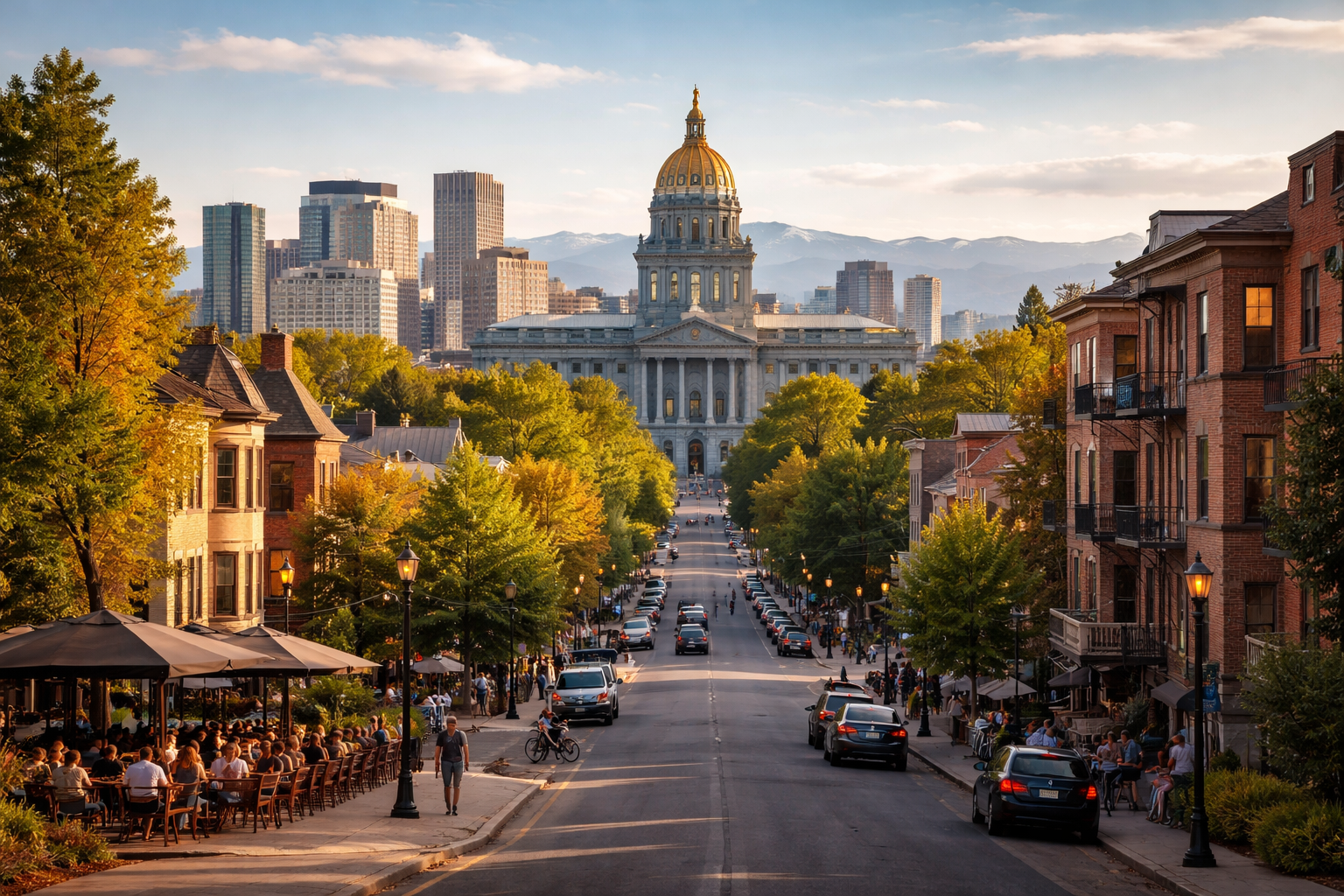
Capitol Hill is Denver's most well-known historic neighborhood, famous for Victorian mansions, tree-lined streets, diverse community, and cultural significance. The neighborhood attracts artists, young professionals, and urban lifestyle seekers who want authentic Denver character.
Population: Approximately 15,000 (very dense for suburban standards). Home prices: $500k-$1.2M+. Housing types: Victorian mansions, converted townhomes, older condos. Walkability score: 95+ (pedestrian paradise). Character: Eclectic, bohemian, artsy, diverse. Restaurants and bars: Exceptional density and quality. Public transit access: Good (multiple light rail stations). Parking: Limited and expensive.
Advantages of Capitol Hill Living
Capitol Hill offers unmatched walkability. You can walk to restaurants, bars, shops, parks, and cultural venues. You don't need a car for daily life. This appeals to urban lifestyle seekers who want authentic city living. Capitol Hill also offers authentic historic charm. Victorian architecture, mature trees, and established community character create a unique sense of place that new developments can't replicate.
The neighborhood is diverse and culturally rich. Capitol Hill attracts artists, creative professionals, and people from all backgrounds. There's genuine community culture—street festivals, local businesses, art galleries, music venues. Finally, Capitol Hill appreciates consistently. Historic neighborhoods tend to maintain value well, and Capitol Hill's popularity keeps appreciation steady.
Disadvantages of Capitol Hill Living
The major drawback is density and noise. Capitol Hill is very crowded. Parking is limited and expensive. Street noise from bars, traffic, and pedestrians is constant. If you value quiet or parking convenience, Capitol Hill is challenging. Older homes require significant maintenance. Victorian-era homes have plumbing, electrical, and structural issues that can be expensive to address. Many homes lack updated systems, requiring substantial investment.
Safety concerns exist in some Capitol Hill areas. While many blocks are safe and vibrant, some experience higher crime rates. Drug use and homelessness are visible in parts of the neighborhood. Additionally, gentrification creates tension. As prices rise, longtime residents and businesses are displaced, creating community friction.
Parking permit annual cost: $500-$800. Average home age: 100+ years (1920s construction common). Typical renovation costs (if needed): $50k-$150k+. Property taxes: Based on assessed value, typically $4,000-$8,000 annually. HOA fees (if applicable): Minimal to none. Utilities: Higher due to older homes and density. Crime statistics: Varies by specific block, ranges from safe to concerning.
Baker: The Emerging Alternative
Baker is a newer Denver historic neighborhood that's rapidly gentrifying and gaining popularity. Located south of Capitol Hill, Baker offers similar urban character with somewhat newer homes, slightly less density, and lower prices than Capitol Hill.
Population: Approximately 8,000 (less dense than Capitol Hill). Home prices: $450k-$850k (slightly lower than Capitol Hill). Housing types: Older Victorians, bungalows, converted townhomes. Walkability score: 85+ (very walkable but less so than Capitol Hill). Character: Artsy, bohemian, rapidly gentrifying. Restaurants and bars: Growing quickly, not yet Capitol Hill-level density. Public transit access: Good and expanding. Parking: Better than Capitol Hill but still limited.
Advantages of Baker Living
Baker offers urban character with slightly less intensity. You get walkability and neighborhood charm with somewhat less density and noise. Parking is challenging but better than Capitol Hill. Baker is more affordable than comparable Capitol Hill properties. You can get similar Victorian character at 10-15% lower prices, making Baker better value.
The neighborhood is experiencing rapid appreciation as gentrification accelerates. Early buyers are seeing strong returns as the area becomes more desirable. Additionally, Baker feels more family-friendly than Capitol Hill. While still urban, it's less party-focused with somewhat quieter blocks and more families.
Disadvantages of Baker Living
Baker is actively gentrifying, which creates community tension and displacement. Long-term residents are being priced out. This raises ethical concerns about displacement alongside practical concerns about neighborhood character changes. Similar to Capitol Hill, older homes require maintenance and updating. Plumbing, electrical, structural, and system issues are common in turn-of-century construction.
Compared to Capitol Hill, Baker has fewer amenities and less established culture. Restaurants, bars, and venues are excellent but not yet as diverse or abundant. Public transit access is good but not as extensive as Capitol Hill. Additionally, gentrification trajectory is uncertain. Baker is currently hot, but future appreciation isn't guaranteed as market sentiment can shift.
Capitol Hill vs. Baker: Direct Comparison
Capitol Hill offers more walkability, more established amenities, stronger community culture, and proven appreciation. But you pay for these advantages with higher prices, more density, more noise, and more parking challenges. Capitol Hill is ideal for urban lifestyle seekers who prioritize walkability and authenticity over quiet and convenience.
Baker offers similar character at lower prices with somewhat less intensity. It's better for those seeking urban living with slightly less chaos. However, gentrification trajectory is uncertain, and the neighborhood is still developing its identity. Baker is ideal for those seeking urban character with better value and less intensity.
Historic District Regulations and Restrictions
Both neighborhoods have historic district overlays that restrict modifications. You cannot just repaint or renovate freely. Historic preservation guidelines dictate what changes are allowed, requiring approval for alterations. This protects neighborhood character but restricts homeowner flexibility.
For sellers, historic restrictions can limit appeal to buyers wanting to modernize. For buyers, restrictions mean you're locked into certain aesthetic standards and cannot make changes without approval. This is a real consideration for renovation-minded buyers.
Is Historic District Living Right for You?
Ask yourself: Do you genuinely enjoy density and urban life? Can you accept parking challenges and street noise? Are you willing to maintain older homes with their inherent costs? Do you value walkability and cultural richness more than quiet and convenience? Are you comfortable with gentrification tension and community change?
If you answered yes to these questions, Capitol Hill or Baker might be right. If you answered no, consider suburban alternatives. Historic districts aren't for everyone, and honest self-assessment prevents bad purchases.
Investment Perspective: Historic Districts as Real Estate
Both neighborhoods have strong appreciation histories and consistent demand. Capitol Hill is proven and established. Baker offers higher appreciation potential due to gentrification. However, both carry risks—Capitol Hill risk is market saturation, Baker risk is gentrification reversal if urban flight resumes.
For investors, both offer rental income potential. Capitol Hill's density supports more rental options. Baker's emerging popularity attracts renters seeking trendy living. However, rental prices are lower than ownership costs suggest, compressing cash flow.
The Bottom Line: Know What You're Buying
Capitol Hill and Baker offer authentic Denver character, walkability, and cultural richness that newer developments can't replicate. They're excellent for urban lifestyle seekers who prioritize authenticity over convenience. However, they come with real challenges: density, noise, parking difficulties, older home maintenance costs, and gentrification tension.
Buyers should enter these neighborhoods with eyes open. Spend time in the neighborhood at different times. Understand parking realities. Research specific blocks carefully—Capitol Hill varies dramatically block to block. Consider renovation needs and costs. Think honestly about whether urban density aligns with your lifestyle.
Rick Cavallaro and Rhino Realty Pros help buyers genuinely understand what Capitol Hill and Baker living entails. We guide realistic assessment of neighborhood fit, help identify blocks aligned with your preferences, and ensure you're making informed decisions about historic district living.
Ready to Explore Capitol Hill or Baker?
Contact Rick Cavallaro and Rhino Realty Pros today. We'll help you honestly assess whether historic district living aligns with your lifestyle, explore specific neighborhoods and blocks, understand costs and challenges, and find the right Denver home. Let's make sure your historic district purchase is the right fit.
Schedule Your Historic District ConsultationCategories
Recent Posts