Spring Home Maintenance Checklist for Colorado Homeowners
Spring Home Maintenance Checklist for Colorado Homeowners
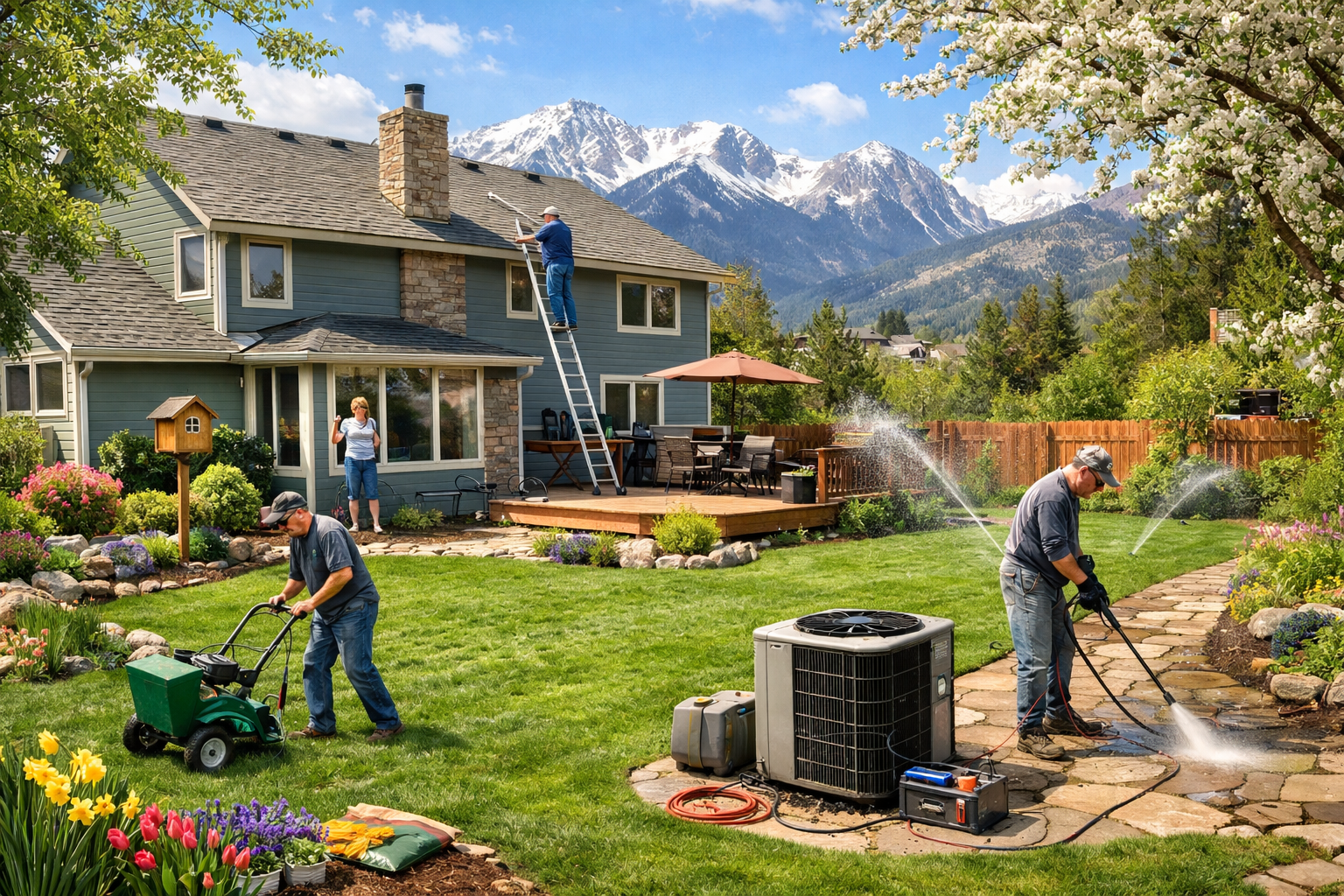
Colorado winters are hard on homes. The freeze-thaw cycles, the heavy snow loads, the sustained wind, the low humidity, the hail — all of it extracts a toll on roofs, foundations, siding, windows, and mechanical systems that isn't always visible until a small problem becomes an expensive one. Spring is the single most important maintenance season for Colorado homeowners, and the work you do in March, April, and May directly determines how well your home performs — and holds its value — through the rest of the year.
Rick Cavallaro and the team at Rhino Realty Pros work with homeowners across Adams County and Metro Denver who are preparing to sell, recently bought, or simply want to protect their investment. We've assembled this complete spring maintenance checklist specifically for Colorado's climate — not a generic national list, but one that addresses the specific challenges that Front Range winters create and the specific preparation that Colorado springs demand. Work through this list every March and you'll spend less money on repairs, maintain your home's value, and avoid the kind of deferred maintenance surprises that show up in inspection reports at the worst possible moment.
Items marked HIGH address safety, structural integrity, or issues that worsen rapidly if ignored. Items marked MEDIUM protect home value and prevent moderate damage. Items marked LOW are important for comfort, efficiency, and curb appeal but are less time-sensitive. Work top-down for the best outcome.
Exterior: Start Outside First
Colorado's exterior maintenance needs are driven primarily by winter weather damage and the transition into a season that brings hail, high winds, and dramatic temperature swings. The exterior is where winter does its most visible work — and where spring inspection earns the most money back in prevented repairs.
Roof and Gutters
The roof is your home's first and most critical line of defense, and Colorado's winters are among the most demanding in the country for roofing materials. Heavy snow loads stress decking and flashing. Ice dams — formed when heat escapes through the roof and melts snow that then refreezes at the eave — can force water under shingles and into wall cavities. And hail, which is a near-certainty somewhere on the Front Range every spring and summer, can damage shingles in ways that aren't always obvious from the ground but that void manufacturer warranties and create slow leaks over time.
🏠 Roof & Gutters Checklist
Foundation and Grading
Colorado's expansive soils — common across Adams County and the Front Range — shift seasonally as moisture levels change. Spring snowmelt and rain introduce significant moisture into the soil surrounding foundations, which can cause movement, cracking, and water intrusion if drainage isn't directing water away from the home effectively. Foundation issues caught early are manageable. Foundation issues discovered years later after repeated seasonal damage are significantly more expensive.
🏗️ Foundation & Grading Checklist
Siding, Windows, and Exterior Trim
Colorado's low humidity and intense UV exposure are brutal on exterior painted surfaces and caulking. Siding joints and window frames that were properly sealed in autumn can crack and open over a single winter, creating pathways for moisture infiltration. Catching these early in spring — before summer storms drive water into the gaps — prevents rot, mold, and insulation damage.
🪟 Siding, Windows & Trim Checklist
Driveway, Walkways, and Hardscape
🚗 Driveway & Hardscape Checklist
HVAC and Mechanical Systems
Colorado's HVAC systems work harder than in more temperate climates — long, cold heating seasons followed by sudden spring heat waves mean both heating and cooling equipment are pushed to their limits. Spring is the ideal time to service both systems while neither is under peak demand load and before HVAC technicians are booked solid with the summer rush.
🌡️ HVAC Checklist
Plumbing
Colorado's freeze season creates specific plumbing risks that require spring follow-up. Outdoor hose bibs are a frequent casualty of hard freezes, particularly in homes where the interior shut-off valve wasn't closed before the first frost. Irrigation systems that weren't fully blown out in fall can have cracked pipes or heads waiting to be discovered when the system is first pressurized in spring.
🔧 Plumbing Checklist
Interior: What Winter Leaves Behind
Colorado's interior maintenance needs in spring are driven by dry winter air, heating season stress on materials, and the moisture that can infiltrate during snowmelt. A thorough interior walkthrough in early spring often catches issues that started in winter before they become expensive repairs.
🏠 Interior Checklist
Landscaping and Irrigation
Colorado's spring landscaping timeline runs a few weeks behind what homeowners from warmer climates expect. The Front Range can see hard freezes into mid-May — rushing spring planting or irrigation startup too early creates more work than it saves. That said, March and April are the right time for cleanup, bed preparation, and system inspection so you're ready to go when conditions allow.
🌿 Landscaping & Irrigation Checklist
Colorado-Specific: Hail Preparedness
No Colorado spring maintenance guide is complete without addressing hail. The Front Range sits in one of the most hail-active corridors in the entire country, and Adams County properties are not immune. Spring and early summer are peak hail season, and the difference between homeowners who are prepared and those who aren't is often thousands of dollars in uninsured damage or missed insurance claims.
⛈️ Hail Preparedness Checklist
A Note for Homeowners Thinking About Selling
If you're considering listing your home this spring or summer, this maintenance checklist isn't just about preservation — it's about preparation. Buyers in Adams County and across Metro Denver are increasingly sophisticated, and their home inspections are thorough. Deferred maintenance items that you've been aware of but haven't addressed — a cracked driveway, failing window seals, a roof with age and hail damage, exterior caulking that's given out — will show up in the inspection report and become negotiating leverage for the buyer, costing you more at closing than the repairs would have cost in March.
The best-performing listings Rick Cavallaro and Rhino Realty Pros bring to market are homes where the seller has done the maintenance work, addressed the obvious deficiencies, and presented a home that inspects cleanly. Buyers pay more for homes that demonstrate care. They discount aggressively — and sometimes walk away — from homes that demonstrate neglect. Spring maintenance isn't just property stewardship. For sellers, it's directly tied to the price you achieve.
Schedule a professional roof inspection and address any findings before listing. Reseal all exterior caulking and touch up paint — first impressions begin at the curb. Service the HVAC system so it passes inspection without issue. Repair any cracked concrete, loose deck boards, or safety-related items buyers and inspectors will flag. Fix running toilets, dripping faucets, and sticky doors — minor items that signal neglect disproportionately. Deep clean the interior and address odors — buyers make emotional decisions and then find rational justifications. Consult Rick Cavallaro and Rhino Realty Pros for a pre-listing walkthrough to identify what matters most in your specific market.
Building Your Colorado Maintenance Routine
The homeowners who spend the least on repairs over time are not the ones who react to problems — they're the ones who inspect consistently, address small issues before they become large ones, and understand their home's specific vulnerabilities based on its age, construction type, and location. In Colorado, that means respecting what winter does and responding to it every spring with intention.
Work through this checklist in March and April when the weather allows, before the busy summer season crowds out your calendar. The time investment is modest. The financial return — in prevented repairs, maintained home value, and clean inspection reports when you eventually sell — is significant.
Rick Cavallaro and the team at Rhino Realty Pros are here for every stage of Colorado homeownership — not just the buying and selling. If you have questions about what maintenance matters most for your specific home before listing, or you're a new homeowner trying to get oriented to your property's needs, reach out. We're happy to help you think through it.
Preparing Your Home for Spring — or for the Market?
Contact Rick Cavallaro and Rhino Realty Pros today. Whether you're gearing up for a spring listing and want a pre-sale walkthrough, or you're a homeowner who wants guidance on what maintenance matters most for your property's value and condition — we're here. Colorado homes reward the owners who take care of them. Let's make sure yours is one of them.
Schedule Your Spring Home ConsultationCategories
Recent Posts