Buyers Are Looking Past Downtown Denver and Here's Where They're Going
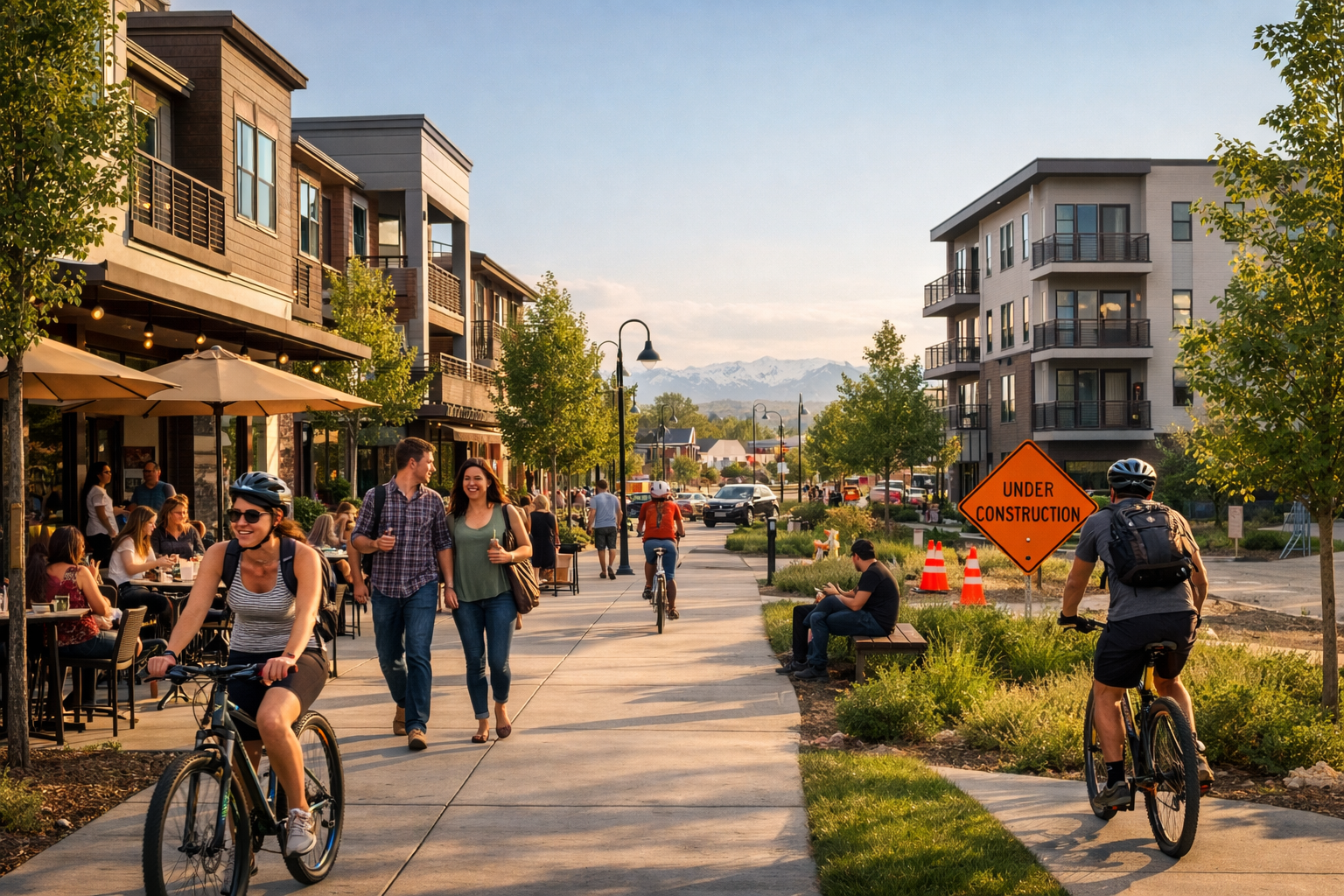
A major shift is happening in the Denver real estate market that most people haven't noticed yet. For years, downtown Denver was the destination—the place where everyone aspired to live. But in 2026, something fundamental has changed. Buyers are increasingly looking past downtown's premium prices and discovering neighborhoods and suburbs that offer far better value, more space, superior schools, and in many cases, stronger appreciation potential. Rick Cavallaro and the team at Rhino Realty Pros are witnessing this shift daily as smart buyers reconsider their priorities and reshape the Denver market.
The reasons are clear: downtown Denver has appreciated so dramatically that it has priced out most buyers. Meanwhile, emerging neighborhoods and suburbs are offering newer construction, better value, excellent amenities, and genuine room for growth. The smart money is moving. Let's explore exactly where buyers are going and why.
The Downtown Denver Reality: Prices Have Become Unsustainable
Downtown Denver's real estate boom has been impressive. Properties that sold for $400k-$500k in 2019 now command $700k-$900k+ in 2026. While this appreciation has been wonderful for homeowners, it's created a severe affordability problem for buyers trying to purchase or move up in the market.
Beyond price, downtown living comes with significant tradeoffs that many buyers are reconsidering. Urban condos and townhomes mean smaller square footage, limited outdoor space, high HOA fees of $300-$500+ monthly, parking challenges, constant construction noise, and congestion that impacts quality of life. For families and anyone seeking space and peace, downtown increasingly feels crowded and expensive rather than desirable.
Median condo prices $650k-$900k+. Limited single-family homes available. High HOA fees $300-$500+ monthly. Smaller square footage relative to price. Limited parking, outdoor space, and privacy. Noise, congestion, and constant construction. Declining affordability for first-time and move-up buyers.
For the average buyer, downtown Denver has simply become unaffordable. This recognition is driving a fundamental market correction where buyers are looking elsewhere and finding exceptional opportunities.
The New Destinations: Where Buyers Are Actually Going
The buyers leaving downtown aren't leaving the market—they're relocating to areas that offer better value and lifestyle. Understanding these destination neighborhoods is crucial for anyone considering real estate in Metro Denver.
Northwest Suburbs: Arvada and Wheat Ridge
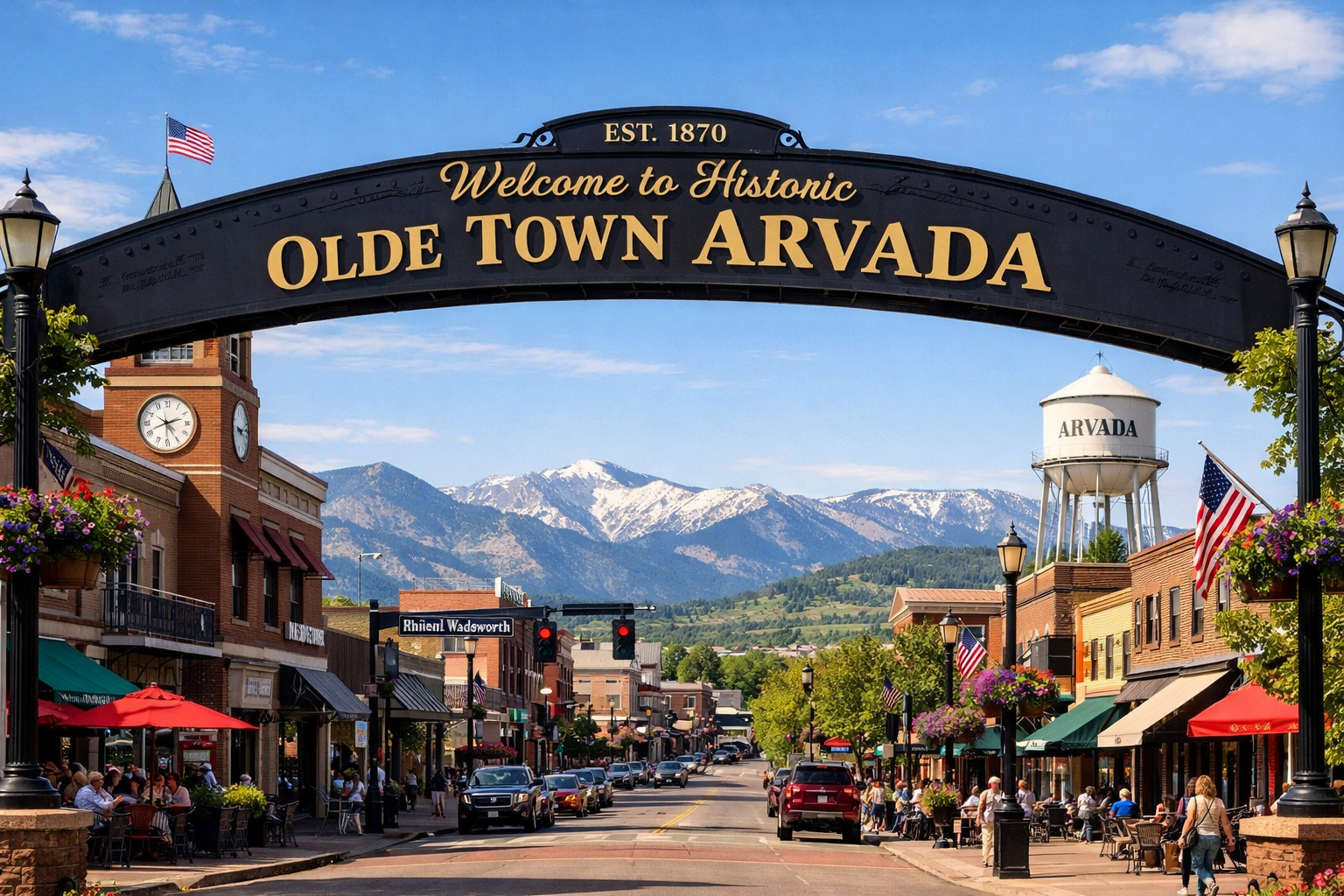
Arvada and Wheat Ridge have become the surprise winners of 2026. Just 12-20 minutes northwest of downtown, these communities offer 30-40% lower prices than downtown Denver while providing excellent schools, established neighborhoods, and strong appreciation potential. Arvada at $475k-$550k and Wheat Ridge at $425k-$500k mean buyers get significantly more home with better value. These markets are experiencing rapid buyer migration as word spreads about their appeal.
Tech Corridor South: Castle Rock and Littleton

South Denver suburbs like Castle Rock and Littleton are attracting professionals working in south Denver tech centers and those seeking proximity to employment without downtown prices. These areas offer newer construction, family-friendly neighborhoods, excellent schools, and reasonable pricing. Jobs are moving south, and buyers are following.
Southeast Growth: Parker and Beyond
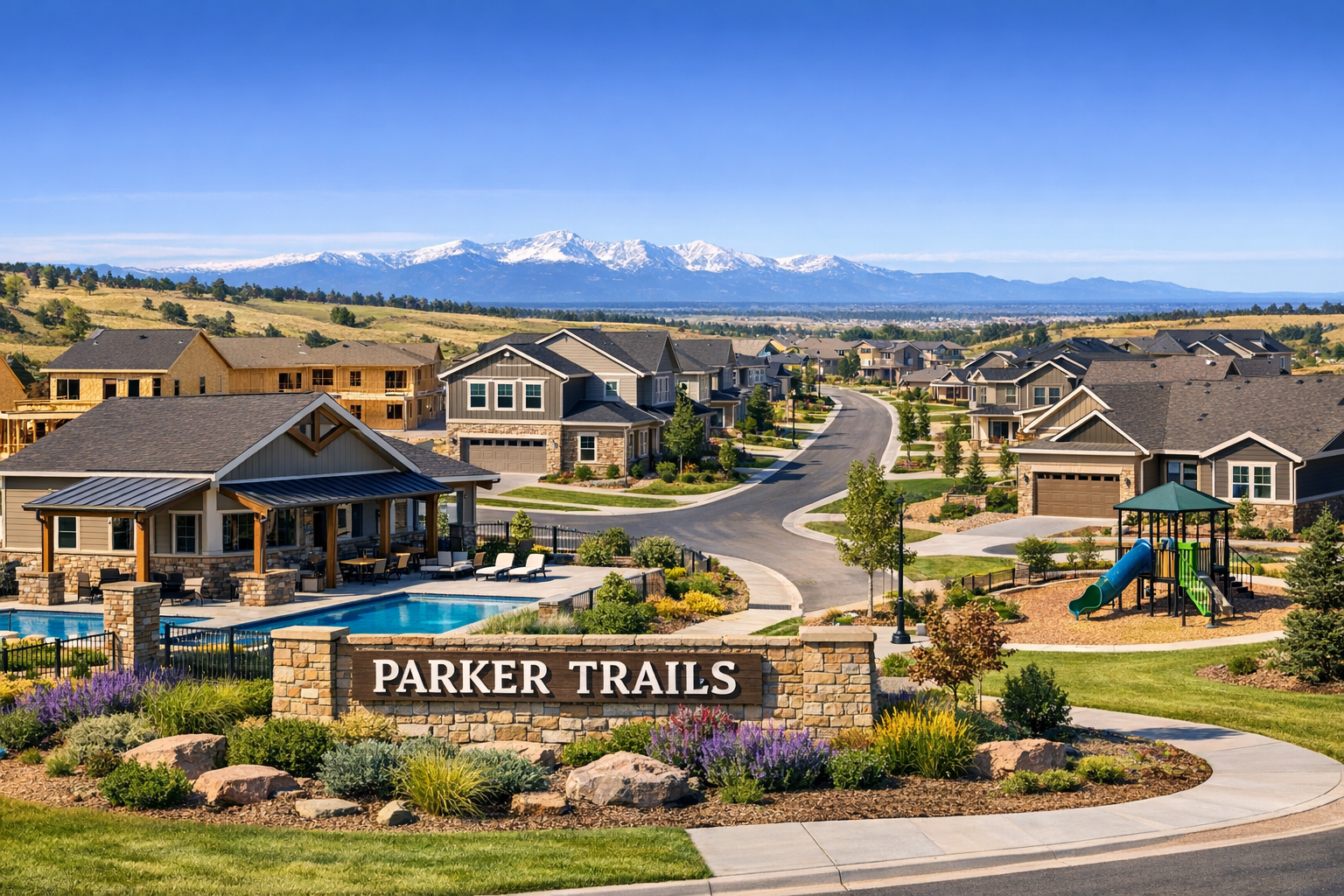
Parker has been attracting young families for years with new construction and family-oriented neighborhoods. But smart buyers are now looking further southeast to Castle Rock and Larkspur where even better value exists. These communities offer excellent schools, new construction, outdoor recreation, and prices that still make sense compared to downtown Denver. The southeast corridor is experiencing strong buyer demand.
Emerging Transit Corridors: Light Rail Adjacent
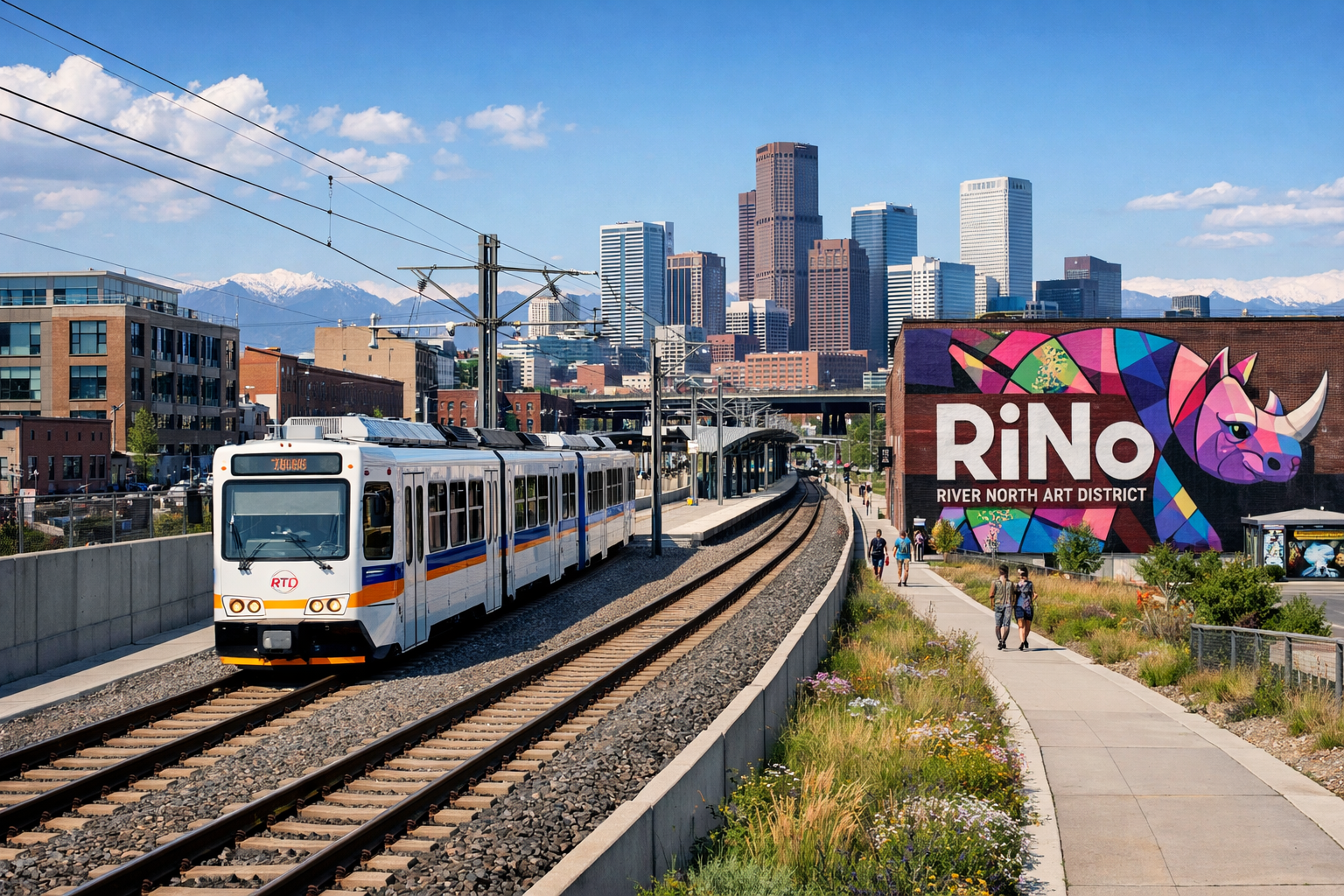
Buyers are discovering neighborhoods adjacent to existing and planned light rail lines outside downtown. South Platte River Corridor, parts of RiNo, and other transit-adjacent areas offer newer construction, walkability, and strong appreciation potential without downtown's premium pricing. These areas combine urban convenience with suburban affordability.
Secondary Markets: Colorado Springs and Pueblo
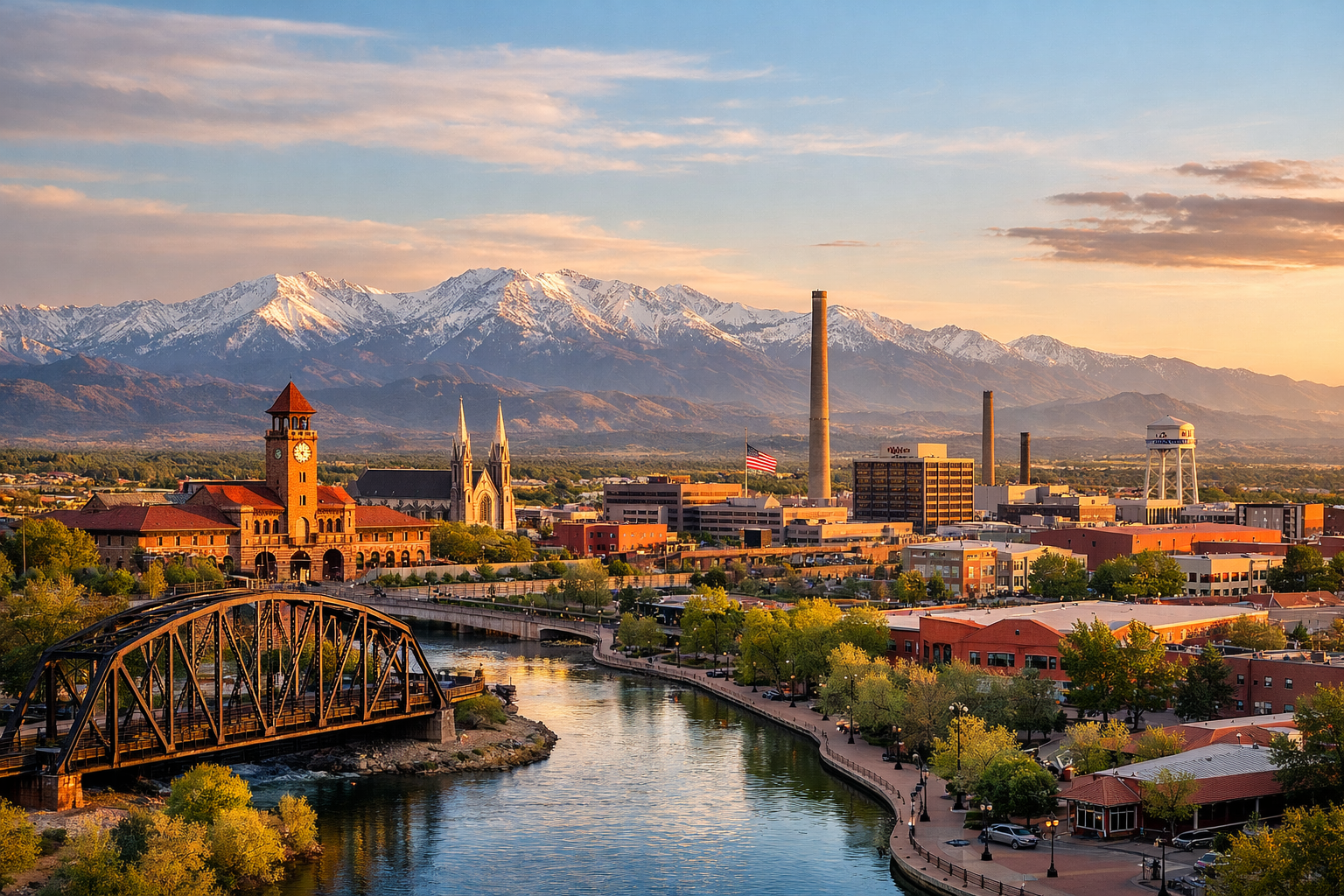
For buyers priced completely out of Metro Denver, Colorado Springs and Pueblo have become attractive alternatives. These markets offer 30-50% lower prices than Denver, strong rental demand from young professionals relocating, excellent quality of life, and significant appreciation potential as more people discover them. An entire segment of buyers is concluding they don't need to live in Denver to achieve their real estate and financial goals.
Why This Shift Is Happening Now
The shift from downtown to suburbs and secondary markets isn't random. Specific factors are converging to drive this decision-making across buyer segments.
Affordability Crisis: Downtown prices have reached unsustainable levels for most buyers. Value Proposition: Suburbs offer 50-100% more square footage for similar investment. School Quality: Suburban schools are excellent and often superior to dense Denver options. Space and Lifestyle: Yards, parking, outdoor areas matter more than urban convenience. Appreciation Runway: Emerging suburbs have greater appreciation potential than mature downtown markets. Remote Work Flexibility: With work flexibility, downtown proximity is less critical. Investment Returns: Better financial returns exist outside downtown's premium pricing.
The Data Confirms the Trend
This shift isn't just observation—the market data backs it up completely. Downtown Denver properties are staying on market longer as fewer buyers compete at premium prices. Inventory is building in downtown areas as supply exceeds demand. Meanwhile, suburban properties are experiencing strong demand and moving quickly.
Price appreciation tells the real story. While downtown Denver prices have moderated or even declined slightly in some segments, suburbs like Arvada, Wheat Ridge, and emerging areas are maintaining healthy appreciation. The returns are simply superior outside downtown's overheated market.
Investment Implications
For real estate investors, this market migration creates significant opportunities. As capital flows from downtown to suburbs and secondary markets, investment returns, rental demand, and appreciation potential migrate with it. Smart investors are repositioning portfolios away from expensive downtown holdings into more affordable, undervalued suburbs with stronger growth potential.
The best investment opportunities aren't where prices are highest—they're where value exists and appreciation potential remains. By that measure, suburbs and secondary markets offer far superior investment returns compared to downtown Denver's premium, mature pricing.
What This Means for Your Strategy
If you're considering downtown Denver, pause and explore the suburbs. You'll almost certainly find better value, more home, better schools, and equally strong (if not stronger) long-term appreciation. The downtown premium has become economically unjustifiable for most buyers.
If you're investing in real estate, recognize that capital is moving. Properties in emerging suburbs and secondary markets offer better returns and appreciation potential. Downtown Denver's best days of explosive appreciation are likely behind it.
If you're already living downtown and happy, excellent. But for those entering or moving within the market, understand you have superior alternatives just outside downtown that offer better value and stronger returns.
The Importance of Expert Guidance
Navigating this market transformation requires genuine expertise. You need guidance on which suburbs are emerging, where real value exists, what appreciation potential remains, and how to position yourself for success. This is where Rick Cavallaro and Rhino Realty Pros provide tremendous value.
Rather than following outdated narratives about downtown, smart buyers work with experts who understand market trends, identify emerging opportunities, and position them for long-term success. That's the winning strategy in 2026's evolving Denver market.
The Bottom Line: The Downtown Era Is Shifting
Downtown Denver will always be an important part of the Metro Denver real estate market. But its days as the default choice for most buyers are ending. The downtown premium has become too expensive relative to alternatives. The smart money is moving to suburbs and secondary markets that offer better value, stronger appreciation potential, and superior lifestyle benefits.
If you're considering a real estate purchase or investment in Metro Denver, look past the downtown narrative and explore where buyers are actually going. The opportunities are substantial, the value is exceptional, and the returns are compelling. That's where the real Denver real estate story is unfolding in 2026.
Ready to Explore Real Estate Beyond Downtown Denver?
Contact Rick Cavallaro and Rhino Realty Pros today. We understand the market shift and can help you find the right property in emerging suburbs and high-potential areas. Whether you're buying your first home, moving up, or investing, let's position you for success in the evolving Denver market.
Schedule Your Market ConsultationCategories
Recent Posts