Understanding Mortgages: Fixed vs. Adjustable Rate Loans
Understanding Mortgages: Fixed vs. Adjustable Rate Loans
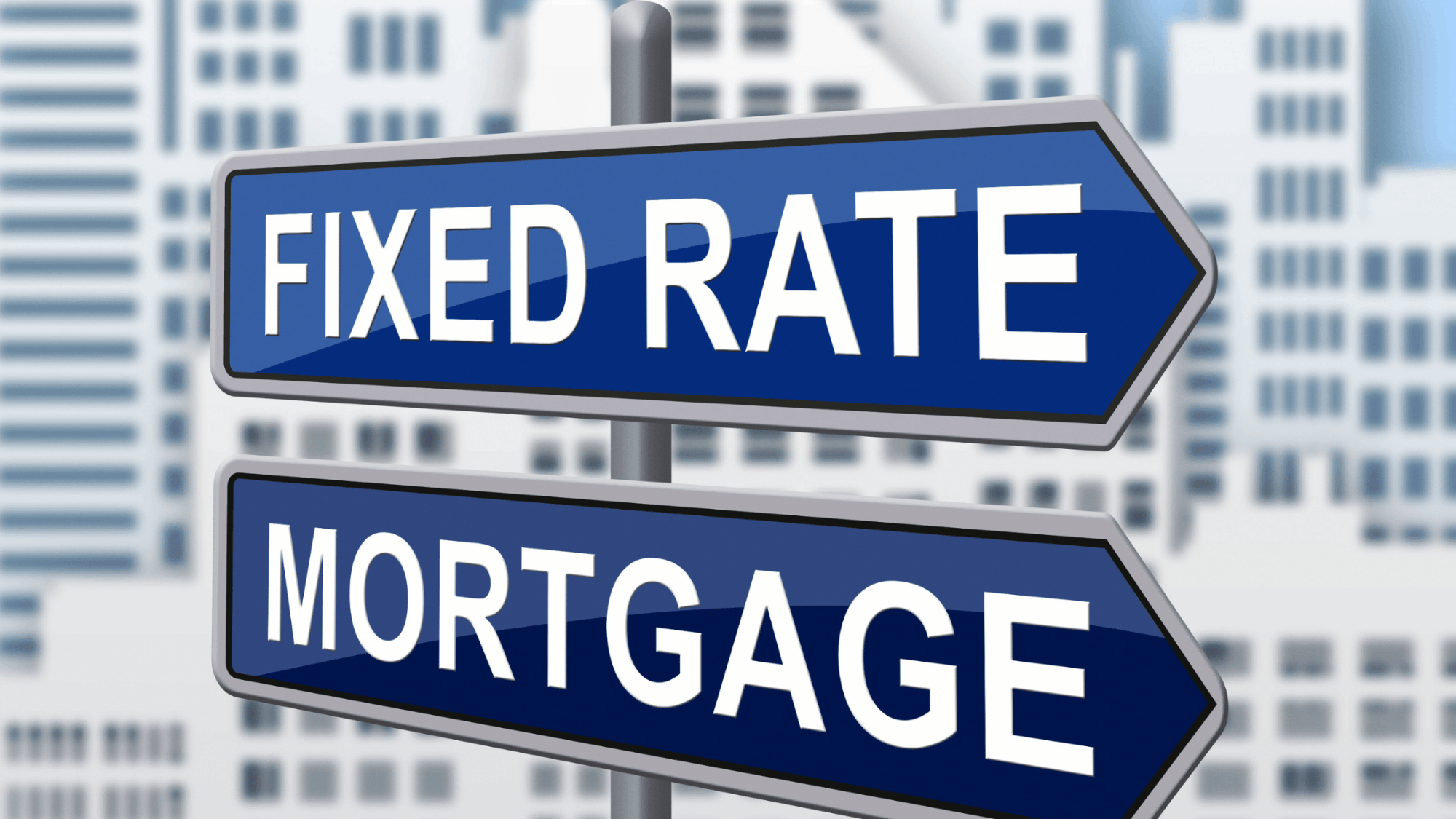
One of the most important decisions you'll make as a homebuyer is choosing between a fixed-rate mortgage and an adjustable-rate mortgage (ARM). The difference between the two will affect your monthly payment, your total interest paid, and your financial risk over the life of the loan. Rick Cavallaro and Rhino Realty Pros walk homebuyers through this decision constantly, and the choice matters far more than most people realize. Here's what you need to understand.
What Is a Fixed-Rate Mortgage?
The Basics
A fixed-rate mortgage locks in an interest rate for the entire life of the loan — typically 15, 20, or 30 years. Your monthly principal and interest payment never changes, regardless of what happens to market interest rates.
This is the most common mortgage type in the United States, and for good reason: predictability. You know exactly what your payment will be on day one and on the last day of your loan. In a rising interest rate environment, a fixed-rate mortgage protects you — your payment stays the same even if rates climb.
The tradeoff is that fixed-rate mortgages typically carry higher interest rates than ARMs at origination. Lenders charge more because they're taking on the risk of inflation and rising rates. If you lock in a 7% fixed rate and rates later climb to 9%, you've protected yourself — but you paid a premium for that protection upfront.
What Is an Adjustable-Rate Mortgage (ARM)?
The Basics
An adjustable-rate mortgage starts with an initial interest rate (called a "teaser rate") that's lower than fixed rates, but adjusts periodically based on market conditions. Common ARM structures include 5/1 (fixed for 5 years, then adjusts annually) or 7/1 (fixed for 7 years, then adjusts annually).
The appeal of an ARM is lower initial payments. A 7/1 ARM might start at 6.5% while a 30-year fixed is at 7.5%. For the first seven years, your payment is significantly lower. But after the fixed period ends, your rate adjusts annually (or semi-annually, depending on the loan) based on market rates and the loan's margin.
ARMs typically include caps — limits on how much your rate can adjust per period and over the life of the loan. A common structure: your rate can't increase more than 2% per adjustment period and no more than 6% over the life of the loan. These caps protect you from unlimited payment increases, but they don't eliminate the risk.
Fixed-Rate vs. ARM: Side-by-Side Comparison
| Feature | Fixed-Rate Mortgage | Adjustable-Rate Mortgage (ARM) |
|---|---|---|
| Interest Rate | Locked for entire loan term | Fixed initially, then adjusts periodically |
| Monthly Payment | Same for 15, 20, or 30 years | Lower initially, then increases after fixed period |
| Initial Rate | Higher than ARM teaser rates | Lower than fixed rates at origination |
| Predictability | 100% — payment never changes | Uncertain — payment can rise significantly |
| Best For | Long-term homeowners, rising rate scenarios | Short-term owners, falling rate scenarios |
| Risk Level | Low — you're protected from rate increases | Medium to High — payment exposure after fixed period |
| Total Interest Paid | Predictable; usually higher than ARM teaser phase | Can be lower if you sell before adjustment, higher if rates rise |
1. The Math: Fixed vs. ARM Example
Let's work through a real example. You're buying a $400,000 home with 20% down ($80,000), financing $320,000.
Fixed-Rate 30-Year at 7.5%: Monthly payment = $2,384 (never changes)
ARM 7/1 at 6.5%: Years 1-7 monthly payment = $2,024
ARM 7/1 Adjustment (Year 8+): If rates climb to 8.5%, payment jumps to $2,579
Savings in Years 1-7: $360/month × 84 months = $30,240
Risk: After year 7, your ARM payment exceeds the fixed rate by $195/month. Over 23 remaining years, that's $53,940 extra.
This is the ARM equation in a nutshell: lower payments now, potentially higher payments later. Whether it makes sense depends on your situation and risk tolerance.
2. When Fixed-Rate Makes Sense
Choose Fixed-Rate If:
You're planning to stay long-term. If you'll own the home for 10+ years, payment predictability matters. Rising rates are a real risk — a fixed rate protects you.
Interest rates are historically low. When rates are near historical lows, locking them in protects against future increases. Waiting for lower rates is usually a mistake.
You need budget certainty. If you're stretching to afford the home, you need predictable payments. An ARM's payment uncertainty is too risky.
You're concerned about rising rates. If you believe rates will climb, a fixed rate eliminates that risk and gives you peace of mind.
Most homebuyers should choose fixed-rate mortgages. The payment certainty is worth the slightly higher rate, and most people stay in their homes longer than they initially plan.
3. When ARM Might Make Sense
Consider ARM If:
You plan to sell or refinance within the fixed period. If you're certain you'll move in 5 years and a 5/1 ARM is available, you benefit from lower payments with no rate risk — you're gone before adjustment happens.
You expect your income to rise significantly. If you're in a career with predictable income growth, the temporary lower payment buys time until you can comfortably afford a higher payment.
You can afford the worst-case scenario. ARMs have caps. If your payment could realistically reach $3,000/month and you can handle that, you can manage an ARM. If it would break your budget, avoid it.
Rates are expected to fall. This is rare and hard to predict, but if rate decline seems likely, an ARM that adjusts downward is beneficial.
The key with ARMs: you must be honest about whether you'll actually sell before adjustment happens, and you must understand your worst-case payment scenario.
4. ARM Caps and Adjustment Mechanics
Not all ARMs are created equal. The caps and adjustment frequency matter enormously. Here's what to understand:
- Initial Rate Cap: How much the rate can increase at the first adjustment. Typically 2–5%. This matters most because it's the biggest single jump.
- Periodic Cap: How much the rate can increase per adjustment period (usually annually). Typically 2%. Annual adjustments mean your payment can jump every year.
- Lifetime Cap: Maximum total increase from initial rate. Typically 5–6%. Even if rates skyrocket, your loan can't exceed this total increase.
- Margin: The lender's profit margin. Your adjusted rate = index rate + margin. A 2% margin is common. Higher margins mean higher adjusted rates.
Always ask your lender for the specific caps and margin before committing to an ARM. These details determine your worst-case scenario.
5. The Real Risk: Payment Shock
The biggest danger with ARMs is "payment shock" — the moment your rate adjusts and your payment jumps dramatically. For borrowers who stretched to afford the initial low payment, this can be devastating.
Imagine you bought a $400,000 home with an ARM payment of $2,024. You budgeted carefully and can just barely afford it. In year 8, rates adjust and your payment jumps to $2,579 — a $555 increase. If you don't have that flexibility in your budget, you're in trouble: you can't refinance (rates are higher), you can't sell easily (the market may have softened), and you're potentially facing payment problems.
This is why most financial advisors recommend: if you can't comfortably afford the worst-case ARM payment, don't take the ARM. The savings aren't worth the risk.
Fixed vs. ARM: The Bottom Line
✓ Fixed-Rate: Predictable, protects against rising rates, slightly higher initial rate. Best for most homeowners.
✓ ARM: Lower initial payment, but uncertain future payments. Only for disciplined buyers with short timelines or strong income growth.
✓ Key Rule: If you can't afford your worst-case ARM payment, you can't afford the ARM.
✓ Rate Environment Matters: In rising rate scenarios, fixed rates are safer. In stable or falling rate scenarios, ARMs can offer savings.
✓ Ask Your Lender: Get all caps, margins, and adjustment terms in writing before deciding.
The Bottom Line
Choosing between fixed and adjustable rates is one of the most consequential decisions you'll make as a homebuyer. Fixed-rate mortgages offer simplicity and protection — you know exactly what you're getting. ARMs offer lower initial payments but carry the risk of future increases.
For most homebuyers, a fixed-rate mortgage is the safer, smarter choice. It eliminates payment uncertainty and protects you from rising rates. But if you have a specific plan (sell in 5 years), strong income growth ahead, or deep conviction that rates will fall, an ARM might make sense.
Rick Cavallaro and Rhino Realty Pros work with mortgage professionals who can walk you through both options, run the numbers, and help you understand the real risk and reward of each choice. Don't let a lender push you toward an ARM you don't fully understand. The difference between the right mortgage choice and the wrong one can cost you tens of thousands of dollars over the life of your loan.
Need Help Understanding Your Mortgage Options?
I'll connect you with a mortgage professional who can run the numbers and help you choose the right loan for your situation.
Schedule a ConsultationCategories
Recent Posts